
Microiotronic delivers end-to-end engineering — from embedded systems programming to industrial cybersecurity risk assessment aligned with IEC/ISA 62443. And we built our own software to run it.
We prove our secure-engineering approach in our own products — built, shipped and grown from scratch.

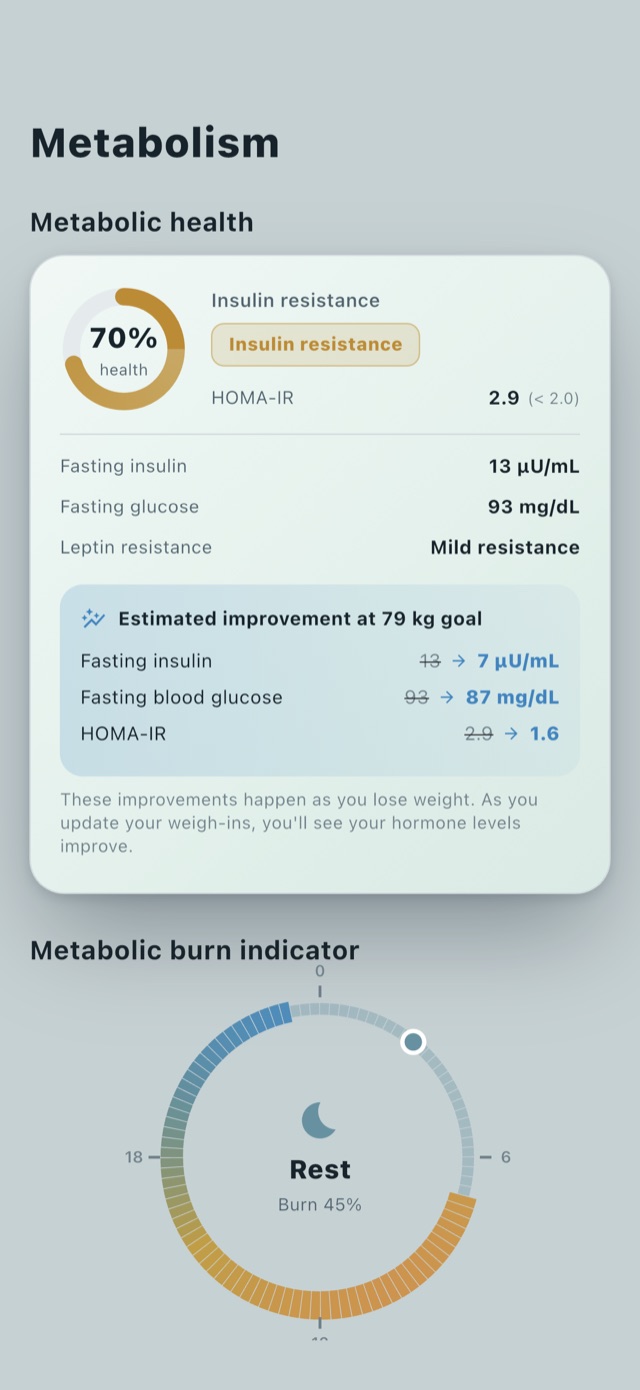
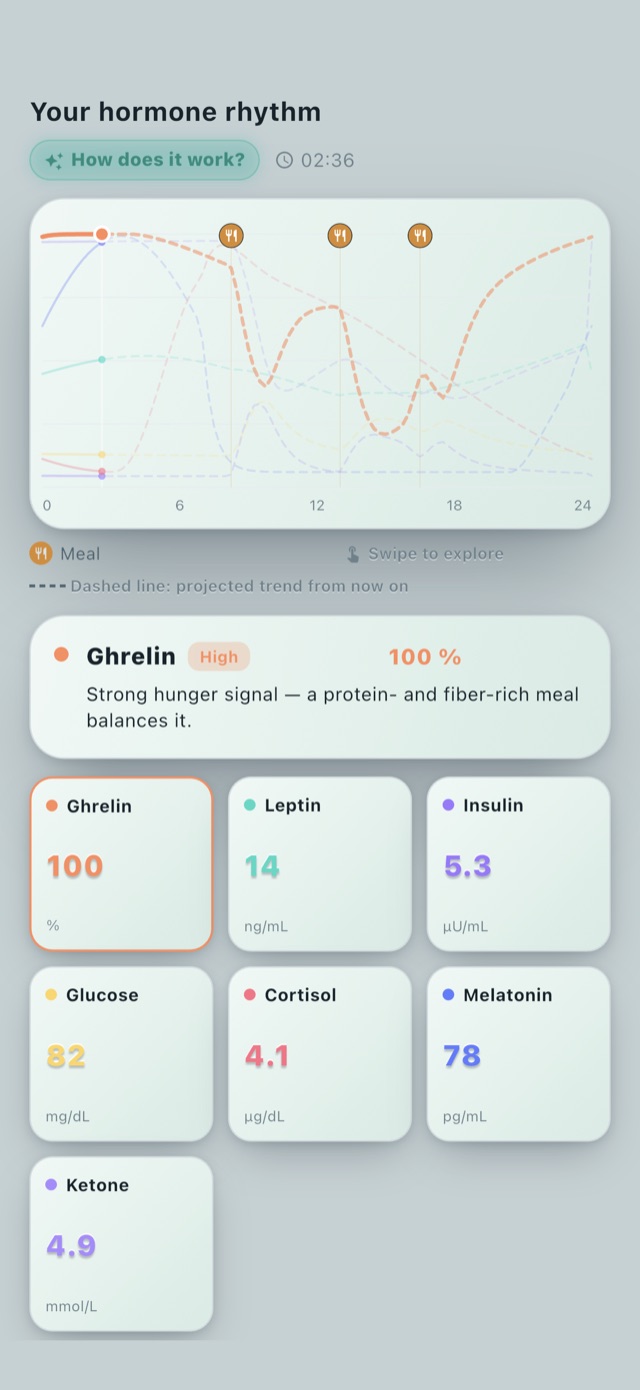
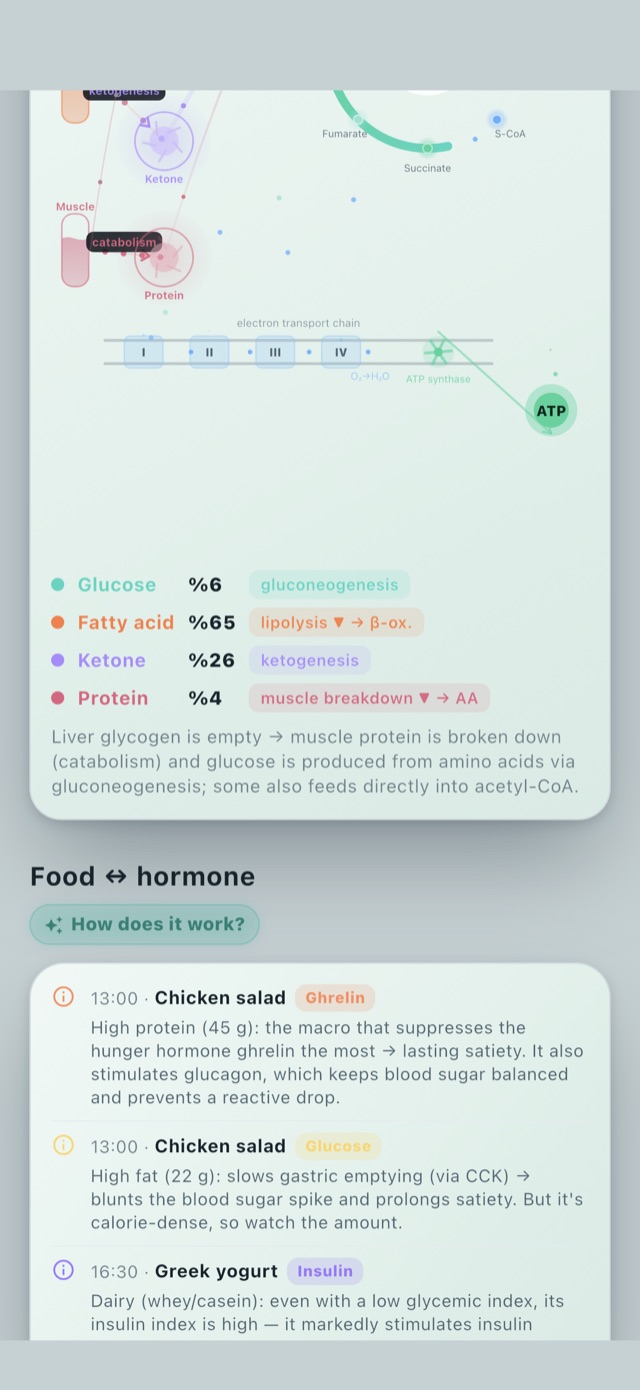
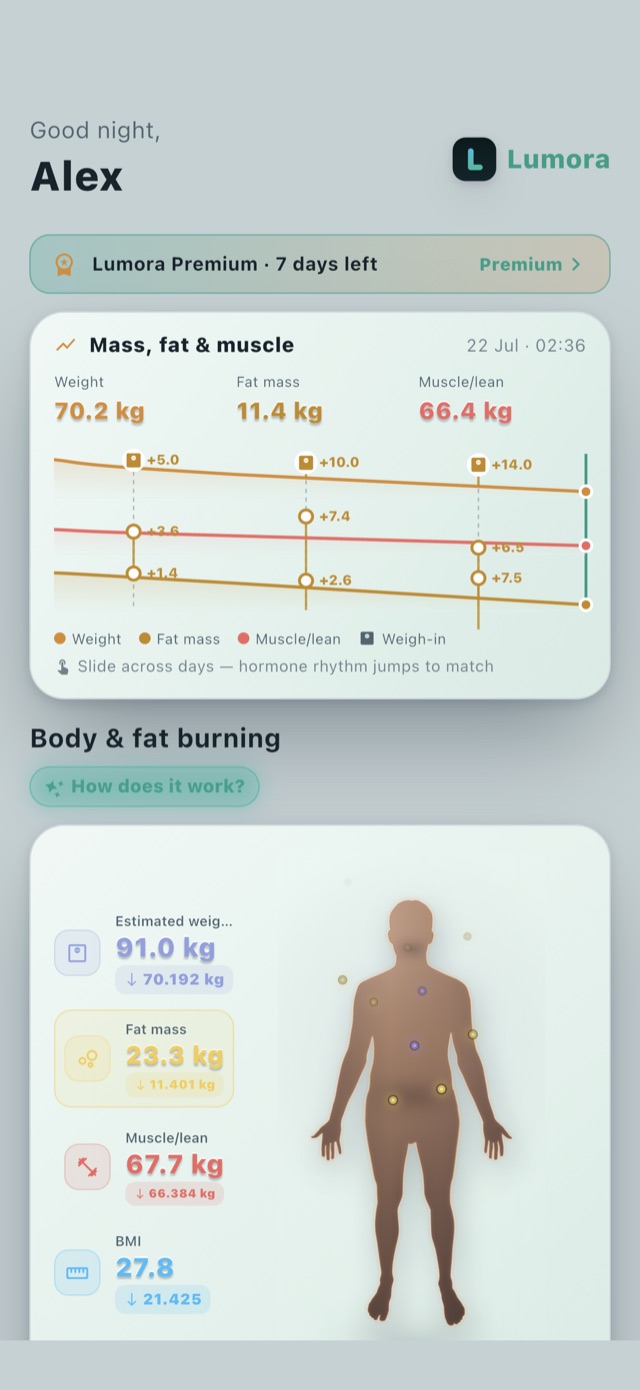
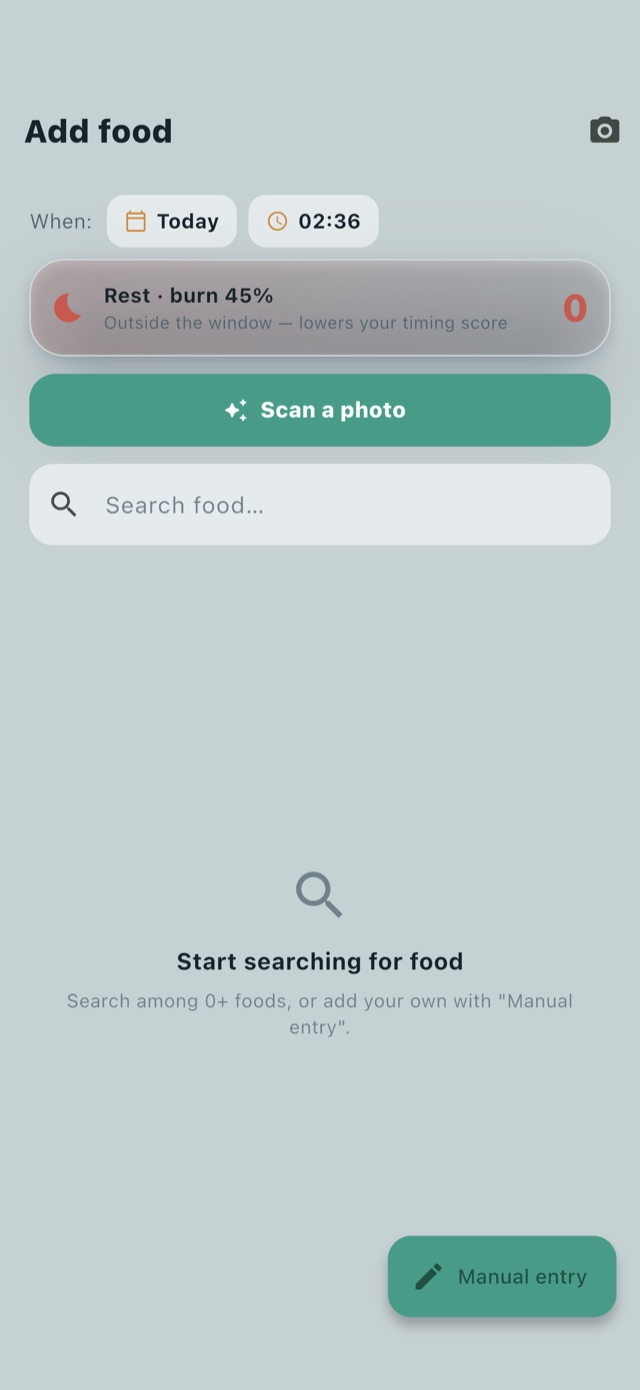
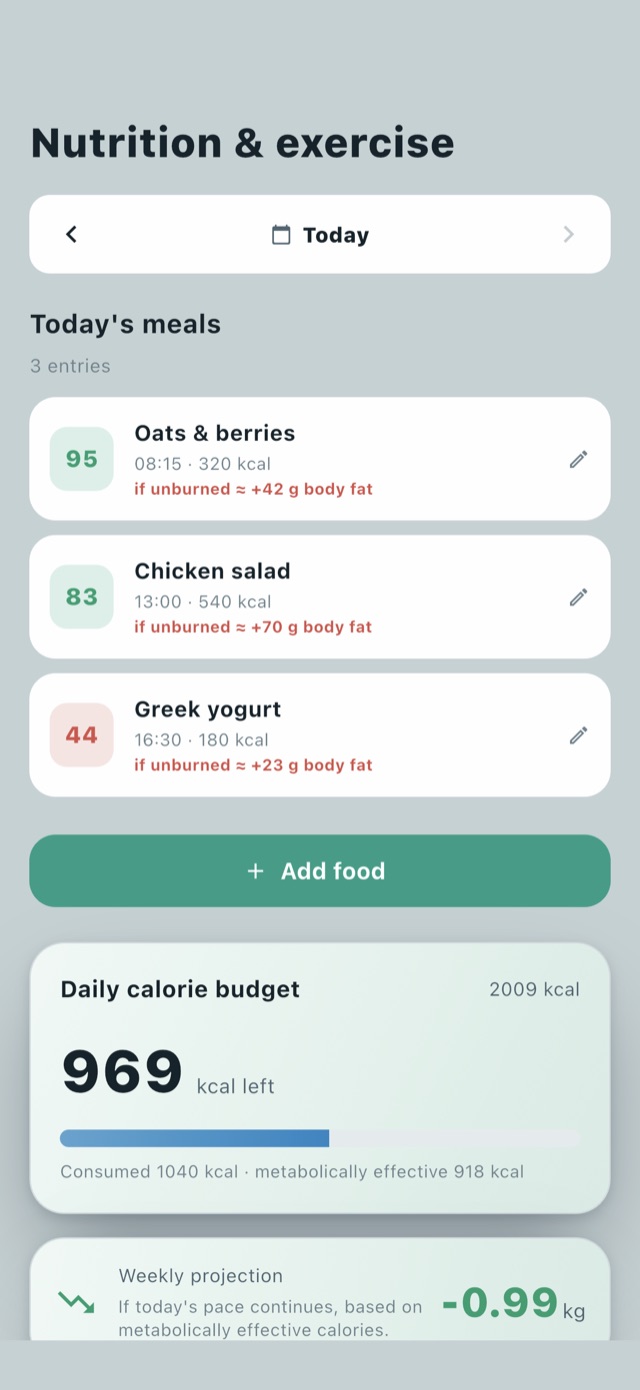
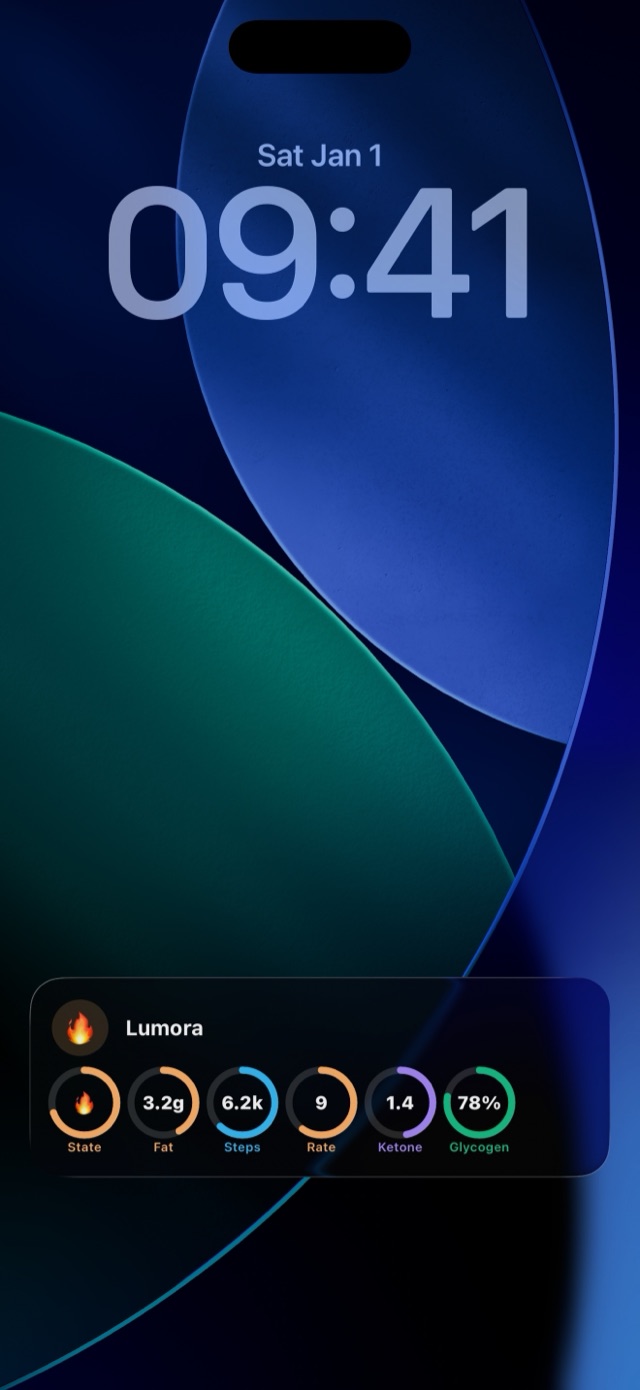
A 16-language iOS & Android app that tracks metabolic health holistically: it logs your nutrition from a curated 452-food database; visualises insulin resistance, HOMA-IR and hormone (cortisol, leptin, ghrelin, melatonin) time-series; and shows what your body is burning via a metabolic-burn indicator and a cellular-energy (Krebs cycle) model. Plan your day with a calorie budget and circadian score; it runs on real-time cross-device sync and an end-to-end secure REST backend, KVKK/GDPR-compliant.
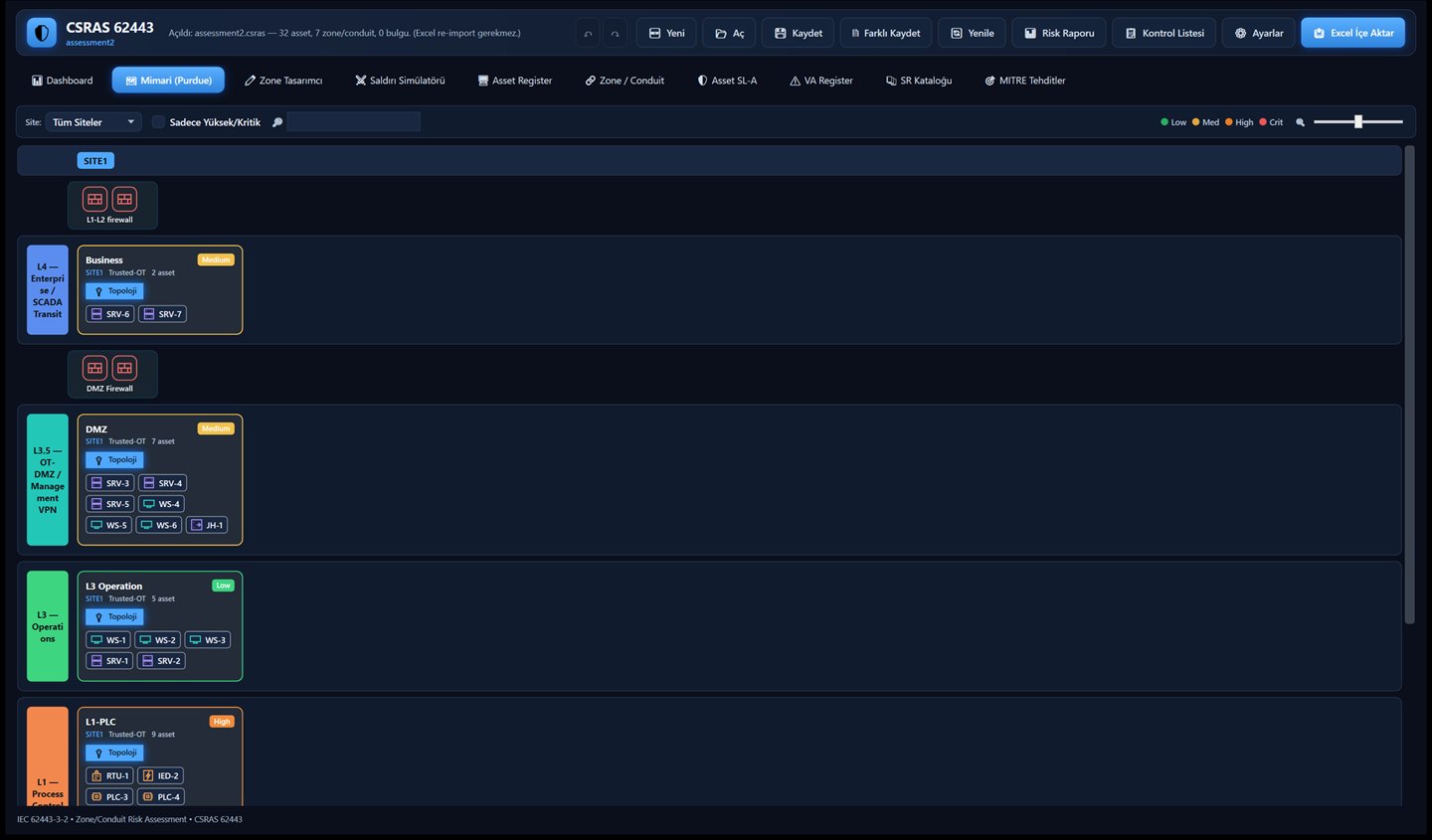
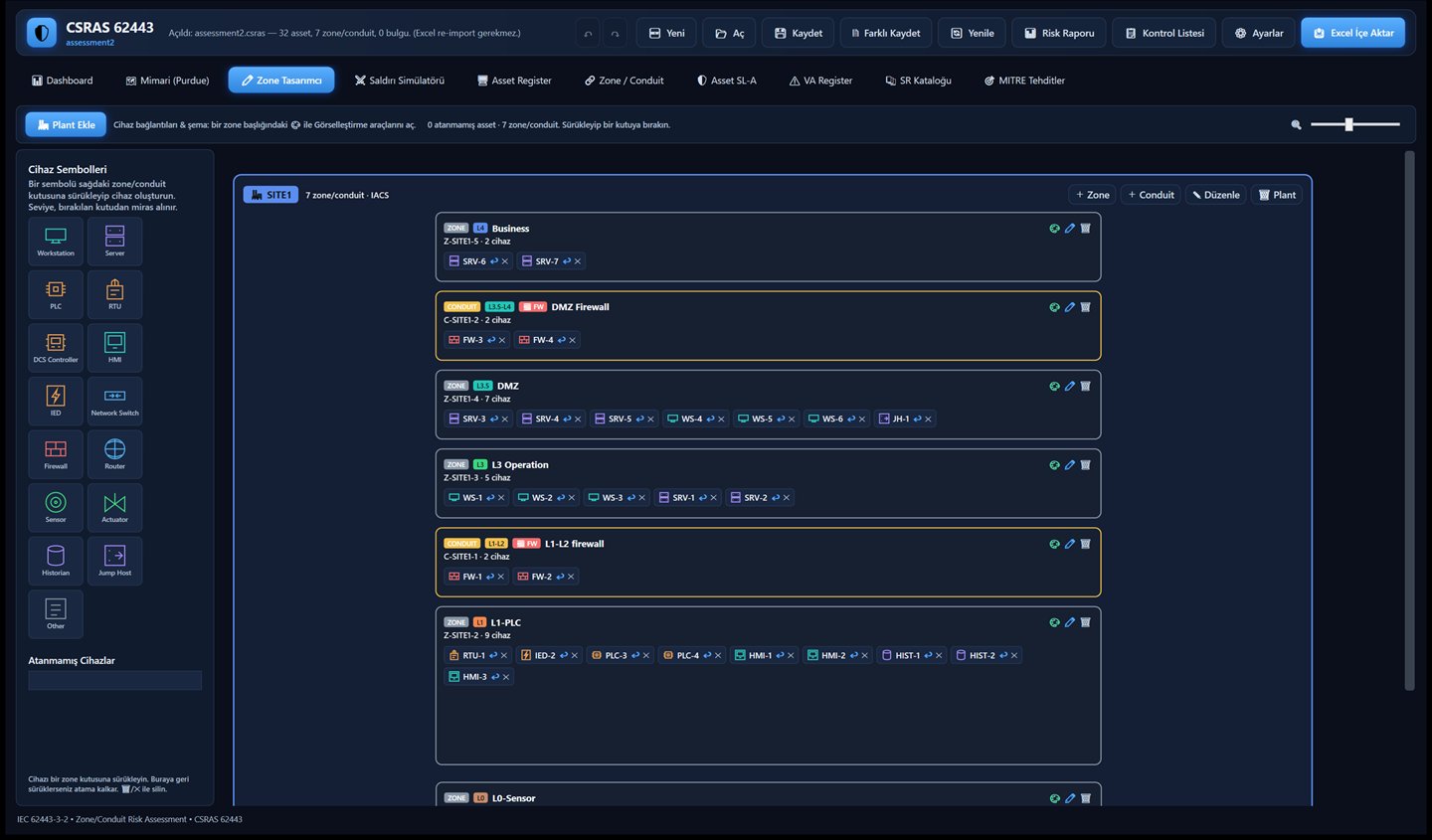
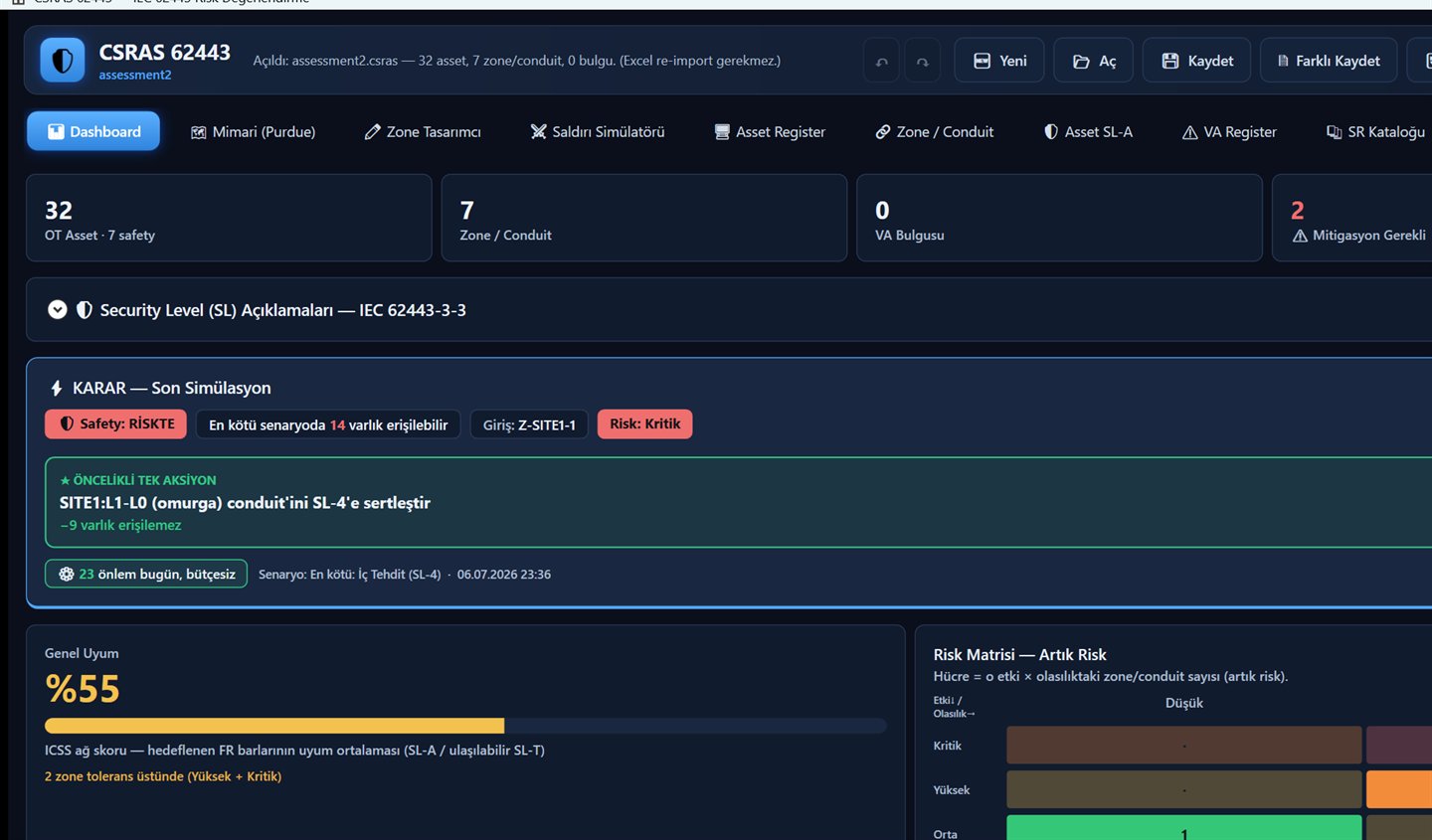
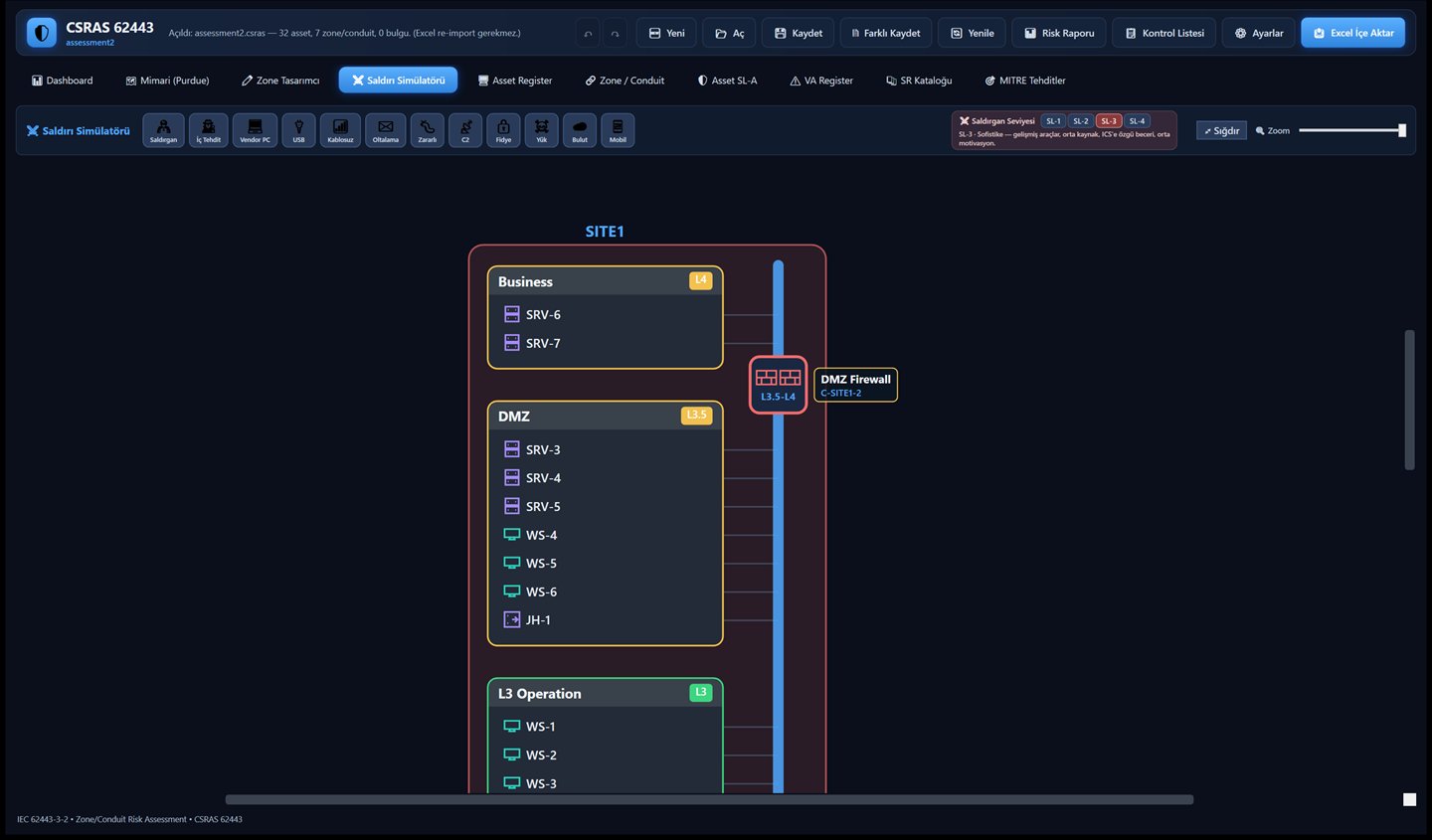
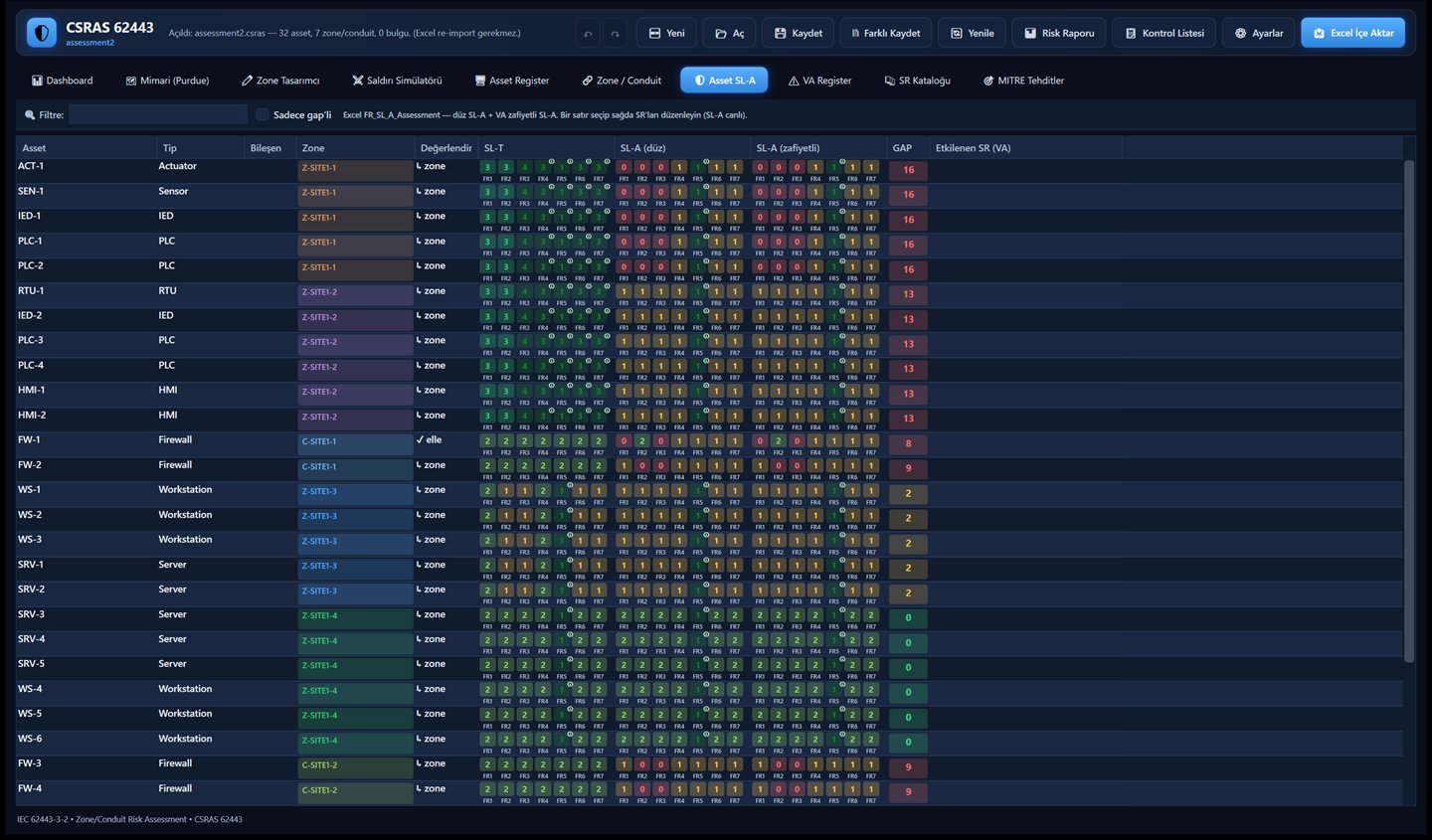
Our own desktop software that lifts IEC/ISA 62443 OT risk assessment out of scattered spreadsheets into a living visual model of the plant. Draw zones & conduits on the Purdue model; security levels (SL-T ↔ SL-A), residual risk, compliance scores and per-asset gaps (FR1–FR7) are computed automatically. A drag-and-drop attack-path simulator shows how far an attacker can reach; one click produces executive risk report, audit checklist and attack report PDFs. Bilingual (Turkish/English), protected by machine-bound online licensing.
We build software close to the hardware, and secure those systems to the IEC/ISA 62443 standards.
From microcontrollers to real-time firmware — low-power, robust and field-updatable embedded software.
End-to-end data flow from sensor to cloud — secure connected devices with encrypted comms and remote management.
Standards-aligned OT risk assessment with zones & conduits modelling, threat analysis and target Security Levels (SL).
Our in-house software that accelerates, reports and makes the 62443 risk-assessment steps traceable.
Secure-by-design software through threat modelling, secure coding and code review.
Protecting operational technology and control systems with network segmentation, hardening and continuous monitoring.
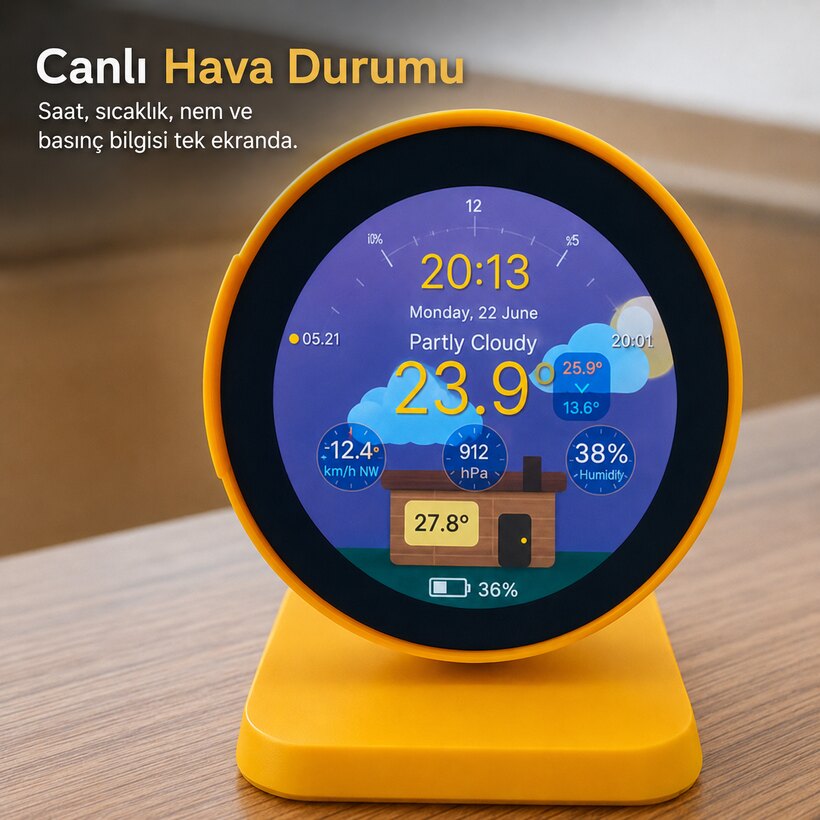
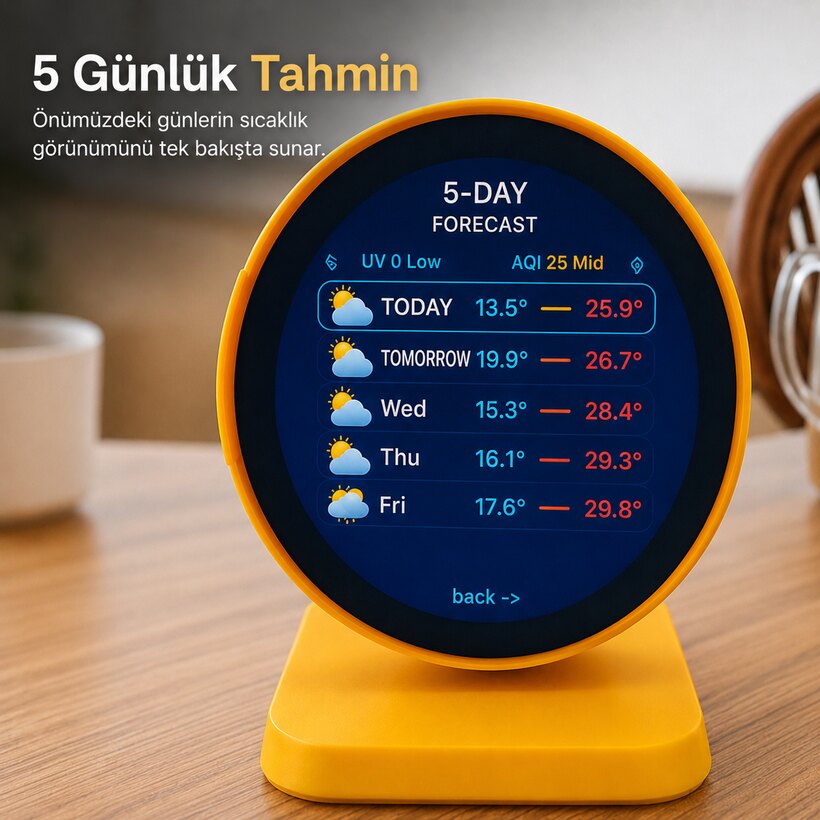
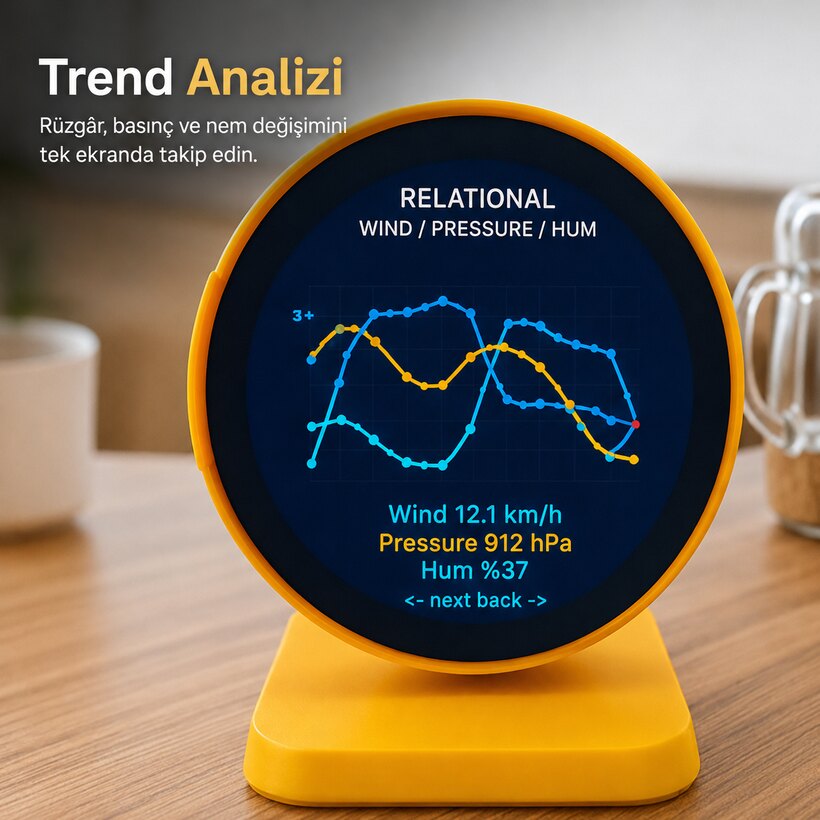
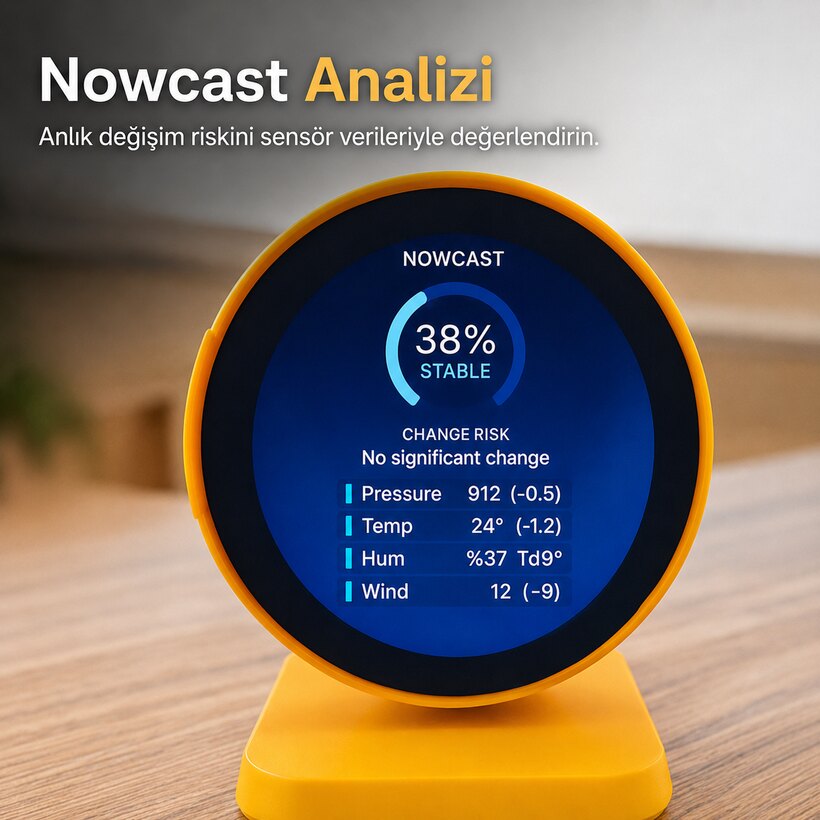
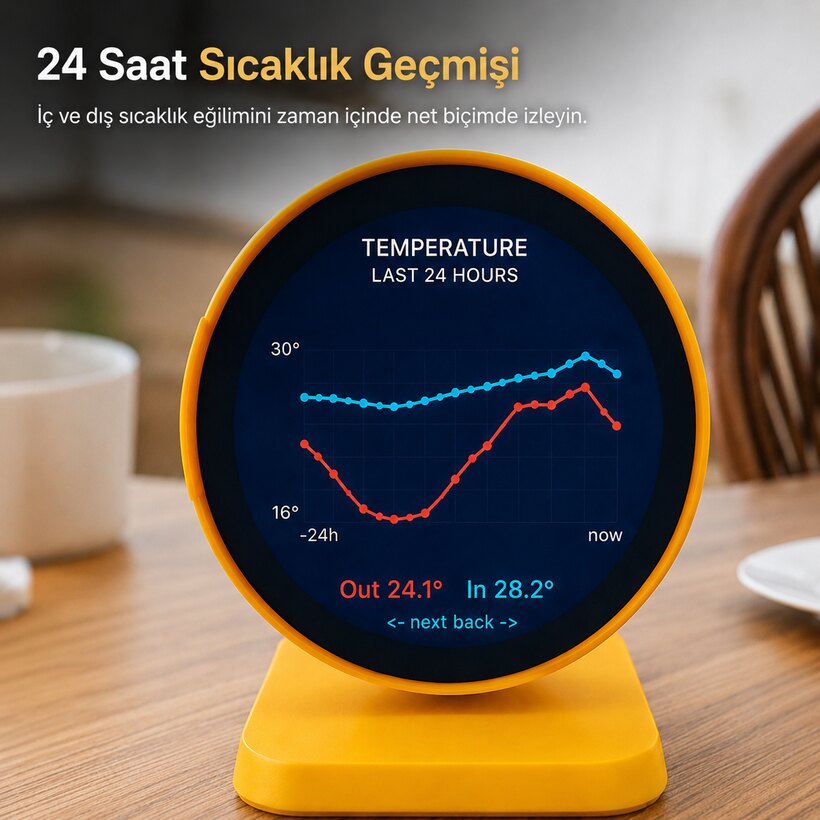
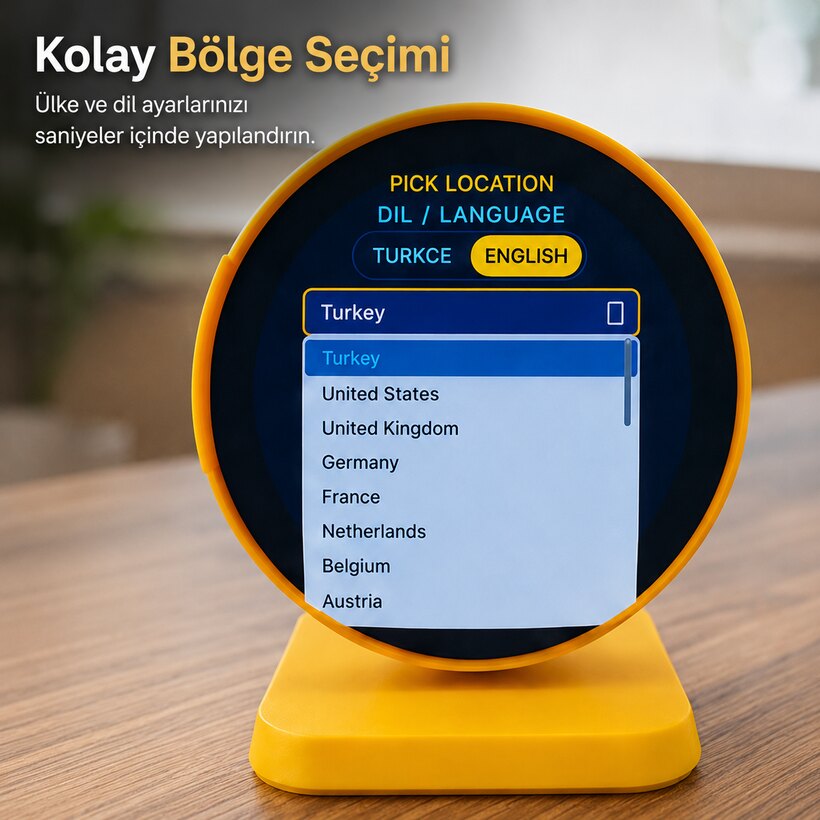
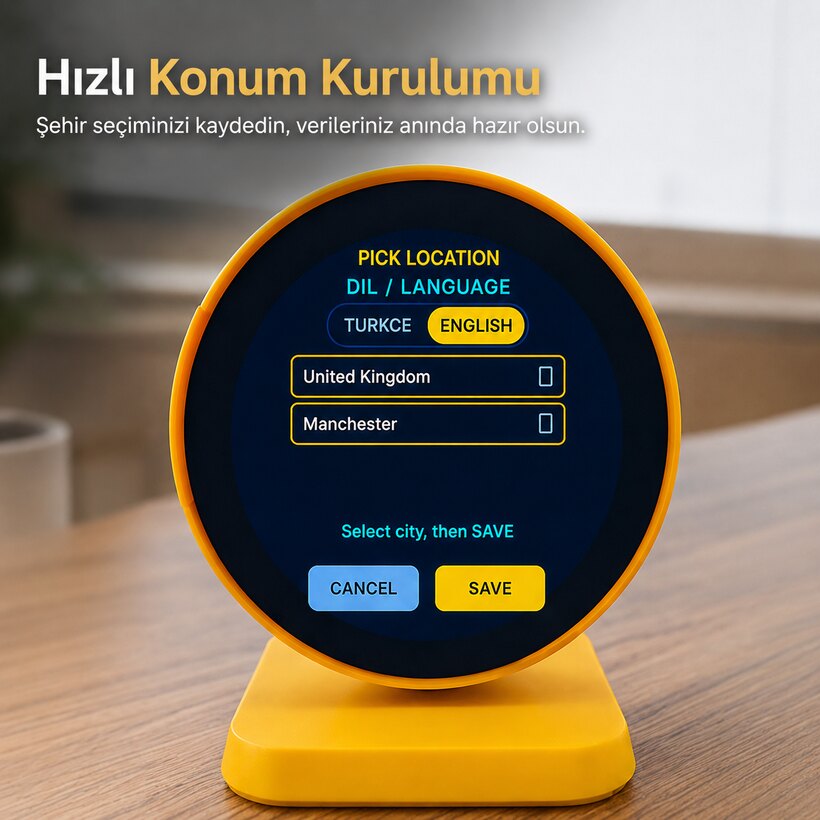
We make the embedded and IoT capability above tangible with a device we designed and built ourselves: WeatherScope, an ESP32-based compact smart weather station. From firmware and sensor integration to cloud connectivity and a web dashboard, it is our engineering end to end. Its standout feature: TFA WeatherHub wireless sensors can be registered directly to the system — so extra measurement points and sensor types are gathered in a single dashboard. High-precision sensors measure temperature, humidity and pressure; a circular display shows the time, live conditions and a 5-day forecast; it offers a trend analysis overlaying wind/pressure/humidity, a 24-hour history and a nowcast (instant-risk) analysis. We build the same end-to-end approach for your device, too.
From defining the System under Consideration (SuC) to a prioritised mitigation roadmap, we follow the standard's ZCR steps exactly. Below we walk through how the process works — step by step and visualised.
Assessment boundary; every IACS asset, its type and Purdue level.
Worst-case consequence and initial risk per zone (HLCRA).
Purdue + criticality + protocol; SIS, wireless, temp, external split.
Acceptance threshold; zones above tolerance go to deep analysis.
Scenario-based risk; VA register & MITRE ATT&CK for ICS.
A 7-element SL-T vector (FR1–FR7) per zone.
SL-A from controls; Gap = SL-T − SL-A; SR-mapped mitigation.
Worst-case risk per zone, as if no controls existed — for prioritisation.
Scenario-based risk per finding; reduced to residual risk by existing controls.
Assets are grouped into zones by Purdue level + criticality + protocol; safety (SIS), wireless, temporary and external connections are moved to separate zones. Every crossing between zones is a conduit and is controlled.
Each zone gets a 7-element target-level vector (SL-T) — one per FR1…FR7, not a single number. The level reached with existing controls is SL-A; the difference is the gap to close.
Each FR → a baseline security requirement (SR) + enhancements (RE).
We map threat scenarios to ICS-specific attack tactics:
We go deep in three core areas and unite them under a single engineering language.
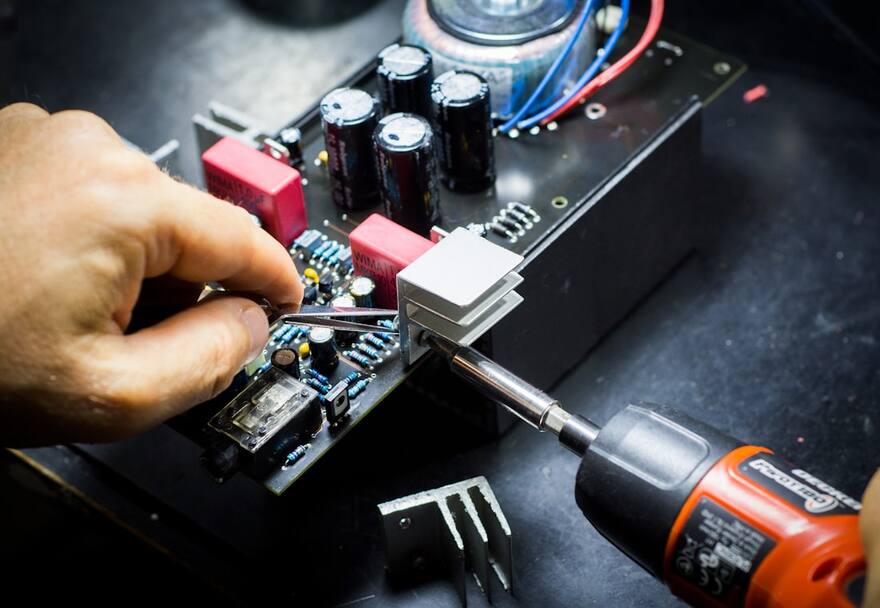 Embedded & Hardware
Rugged, field-proven systems down to the microcontroller, firmware and PCB level.
 Industrial Cybersecurity
Risk assessment, segmentation and continuous monitoring of critical infrastructure with IEC/ISA 62443.
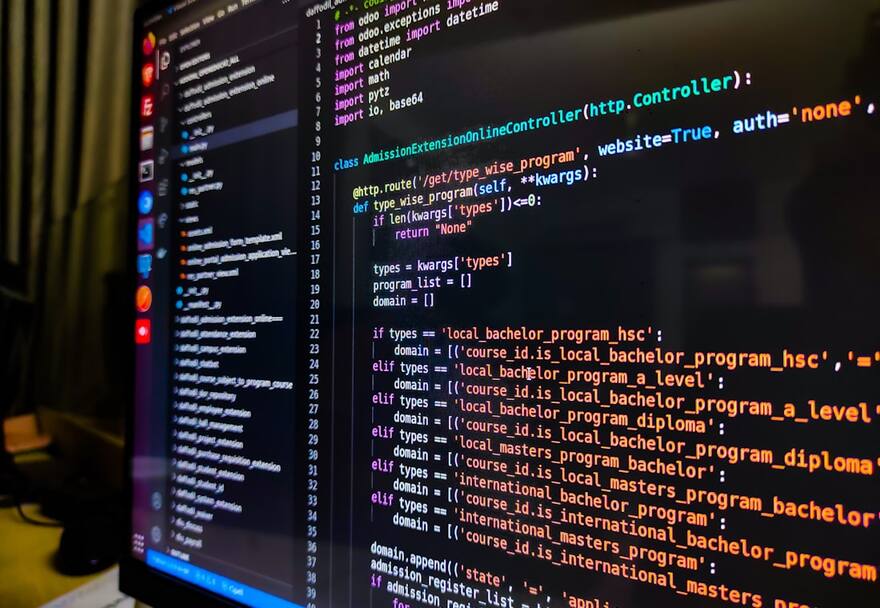 Secure Software
Secure-by-design, standards-aligned and testable software engineering.
We understand the system, risks and goals on site.
We define the architecture, data flow and security boundaries.
We write clean, testable, standards-aligned code.
We verify function and security together.
We deploy, monitor and continuously improve.
Microiotronic is a technology company working on embedded systems programming and industrial cybersecurity based on the IEC/ISA 62443 standards. While we make a system more efficient, we harden it against external threats at the same time.
We built our own software to accelerate risk-assessment workflows. The secure-engineering mindset we apply in products like Lumora, we bring to every project we partner on.

The questions we hear most — our expertise and how we work.
Embedded software is low-level code that runs a device's hardware directly. We build real-time firmware for STM32, ESP32 and ARM Cortex-M microcontrollers — focused on low power, robustness and field (OTA) updates — delivering end-to-end solutions from sensor to cloud.
We protect operational technology (OT) and industrial control systems (ICS/SCADA) to the IEC/ISA 62443 standards: risk assessment, zones & conduits modelling, network segmentation, system hardening, target Security Levels (SL) and continuous monitoring.
We follow the standard's 7-step ZCR workflow exactly: defining the System under Consideration, high-level risk (HLCRA), zone & conduit partitioning, detailed risk analysis (DCRA) mapped to MITRE ATT&CK for ICS, a target Security Level (SL-T) per zone across FR1–FR7, and a prioritised mitigation roadmap that closes the gap against existing controls.
A team that works close to the hardware builds security as part of the design, not a layer bolted on afterwards (secure by design). With a single engineering language, firmware, network and process security are handled consistently — and vulnerabilities are caught before they reach the field.
We are based in Ankara (Etimesgut), Türkiye — providing on-site embedded software and industrial cybersecurity consulting across Türkiye and remotely worldwide.
An automation project, a security audit, or technical consulting — write to us.